
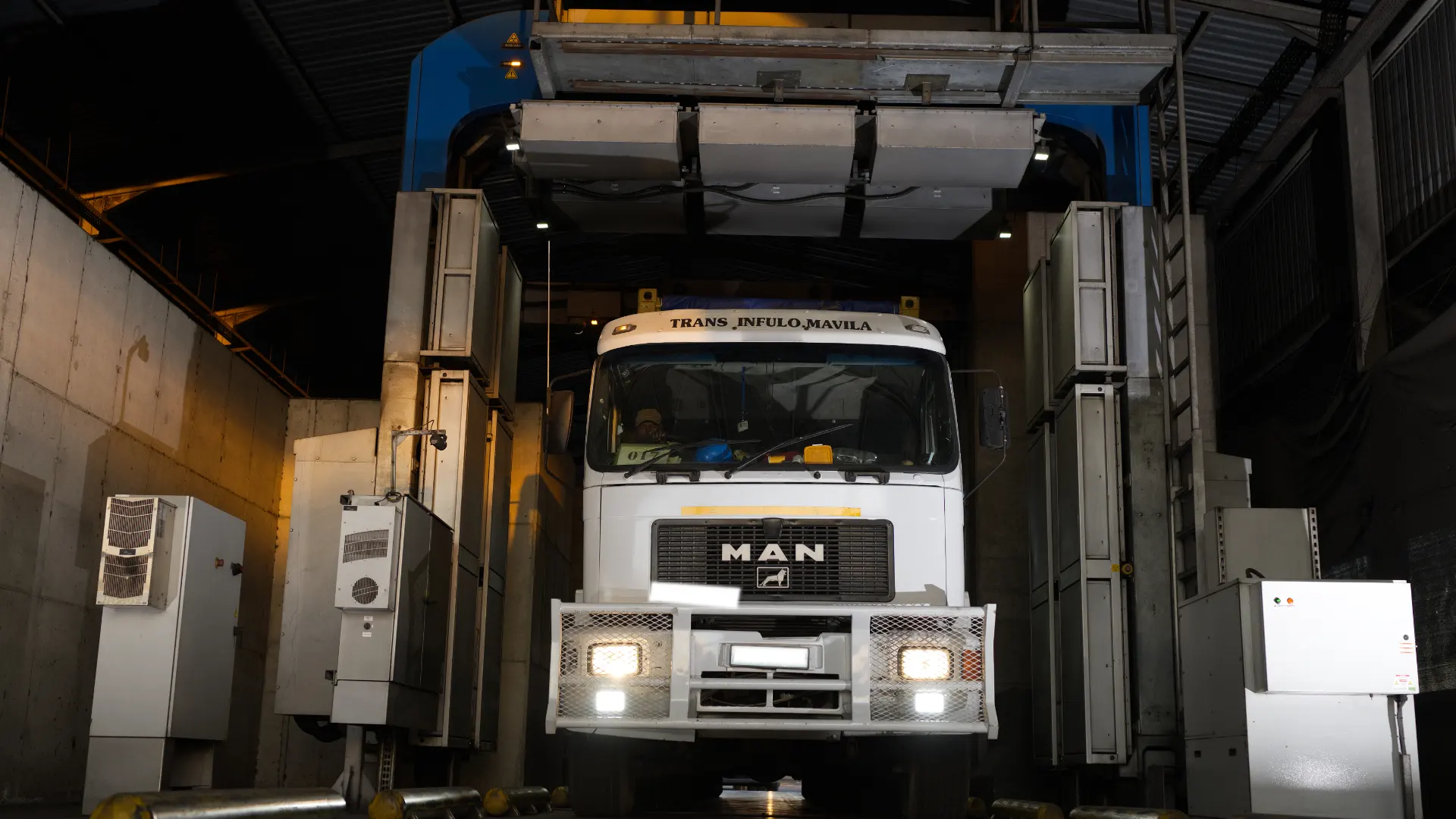
When organisations invest in critical inspection infrastructure, the spotlight is often on procurement.
Questions typically focus on:
- Which scanner should we purchase?
- What technology does it use?
- How quickly can it be installed?
- What are its technical specifications?
These are important questions.
But they are not the questions that determine whether the investment will still be delivering value five, ten or even fifteen years later.
The reality is that installation is not the finish line.
It is the starting point.
The long-term success of any inspection system depends on something far less visible but arguably far more important: Maintenance.
Modern Non-Intrusive Inspection (NII) systems represent significant investments in national infrastructure.
They help facilitate trade, strengthen border security, protect revenue, and improve operational efficiency.
However, even the most advanced inspection technology requires continuous care to operate at its full potential.
Like any critical infrastructure asset, performance changes over time.
Components wear.
Software evolves.
Operational demands increase.
Environmental conditions vary.
Without structured maintenance, even world-class technology can experience declining performance, increased downtime, and higher operating costs.
Maintenance is not simply about repairing equipment when something goes wrong.
It is about preventing problems before they occur.

The Hidden Cost of Downtime
When an inspection system becomes unavailable, the impact extends well beyond the equipment itself.
Downtime can affect:
- Cargo processing times
- Border efficiency
- Revenue collection
- Supply chain reliability
- Operational planning
- Stakeholder confidence
Every hour of unplanned downtime creates consequences that may not always be immediately visible but can quickly ripple through the broader logistics ecosystem.
In many cases, the cost of operational disruption far exceeds the cost of preventative maintenance.
This is why leading infrastructure organisations increasingly view maintenance not as an operational expense, but as a strategic investment.

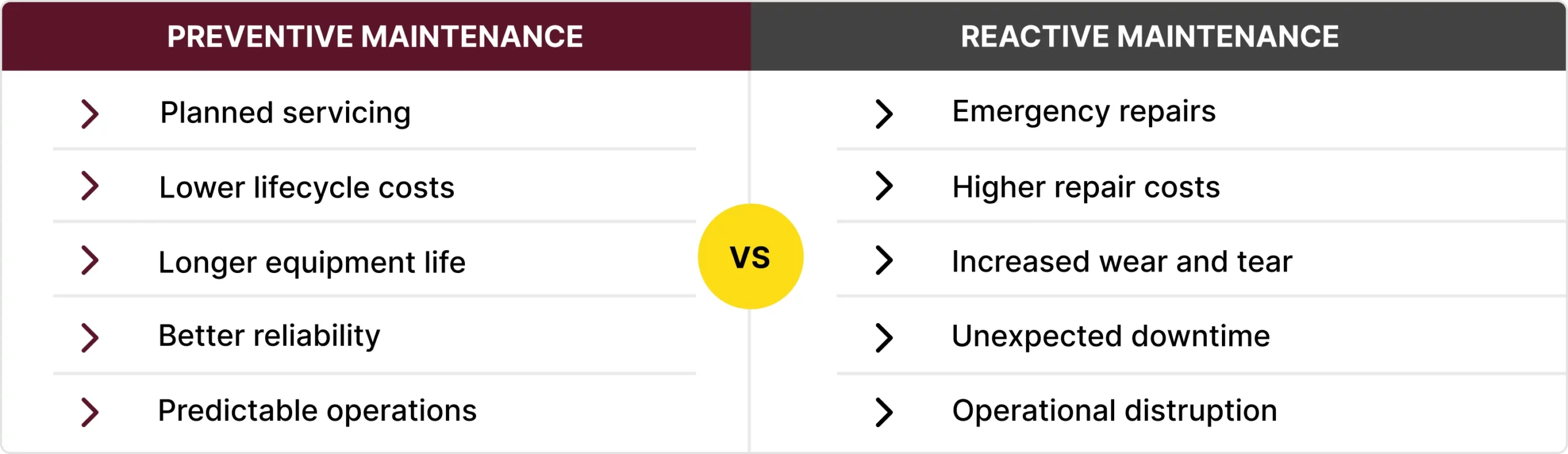
Preventive Maintenance Creates Predictability
One of the greatest advantages of a structured maintenance programme is predictability.
Rather than waiting for failures to occur, organisations can:
- identify wear before it becomes critical;
- schedule servicing during planned operational windows;
- extend the lifespan of valuable assets;
- maintain inspection quality and system reliability; and
- reduce unexpected operational interruptions.
Predictability allows organisations to focus on delivering consistent service rather than reacting to avoidable disruptions.At Kudumba Investments, we have always believed that successful infrastructure solutions extend beyond technology alone.
Maintenance Is More Than Equipment
Successful infrastructure is built on more than hardware.
It depends on the people who operate, maintain and support it.
Effective maintenance programmes also include:
- Technical inspections
- Preventive servicing
- Software updates
- System calibration
- Operator refresher training
- Spare parts planning
- Performance monitoring
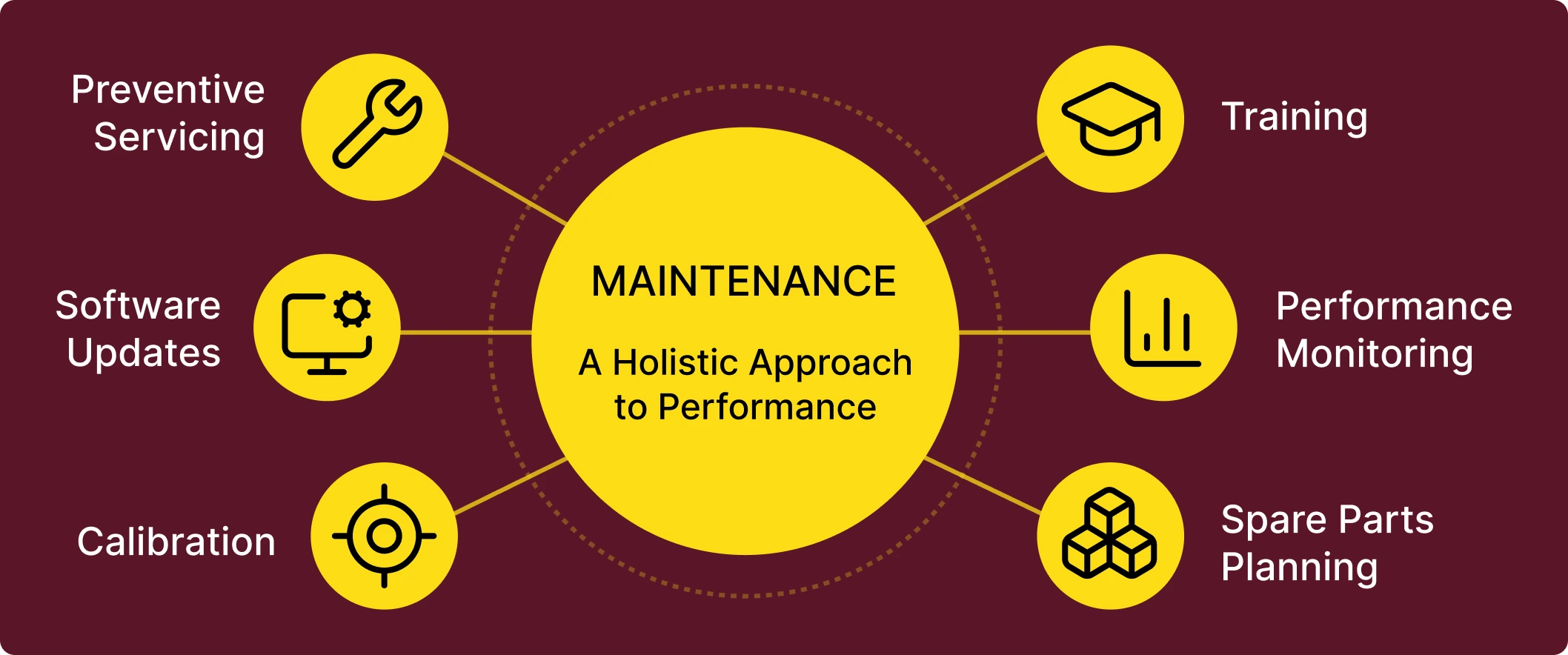
Together, these elements ensure that technology continues to perform as intended throughout its operational lifecycle.
Building Operational Resilience
Across Africa, infrastructure plays an increasingly important role in supporting regional integration and economic growth.
As trade volumes increase and border operations become more complex, reliability becomes just as important as capability.
Modern inspection systems must be ready to perform every day, not only when new, but throughout their operational life.
Resilient infrastructure is built through long-term planning, continuous improvement and proactive asset management.
This mindset transforms maintenance from a reactive activity into a strategic advantage.
A Partnership That Continues Beyond Installation
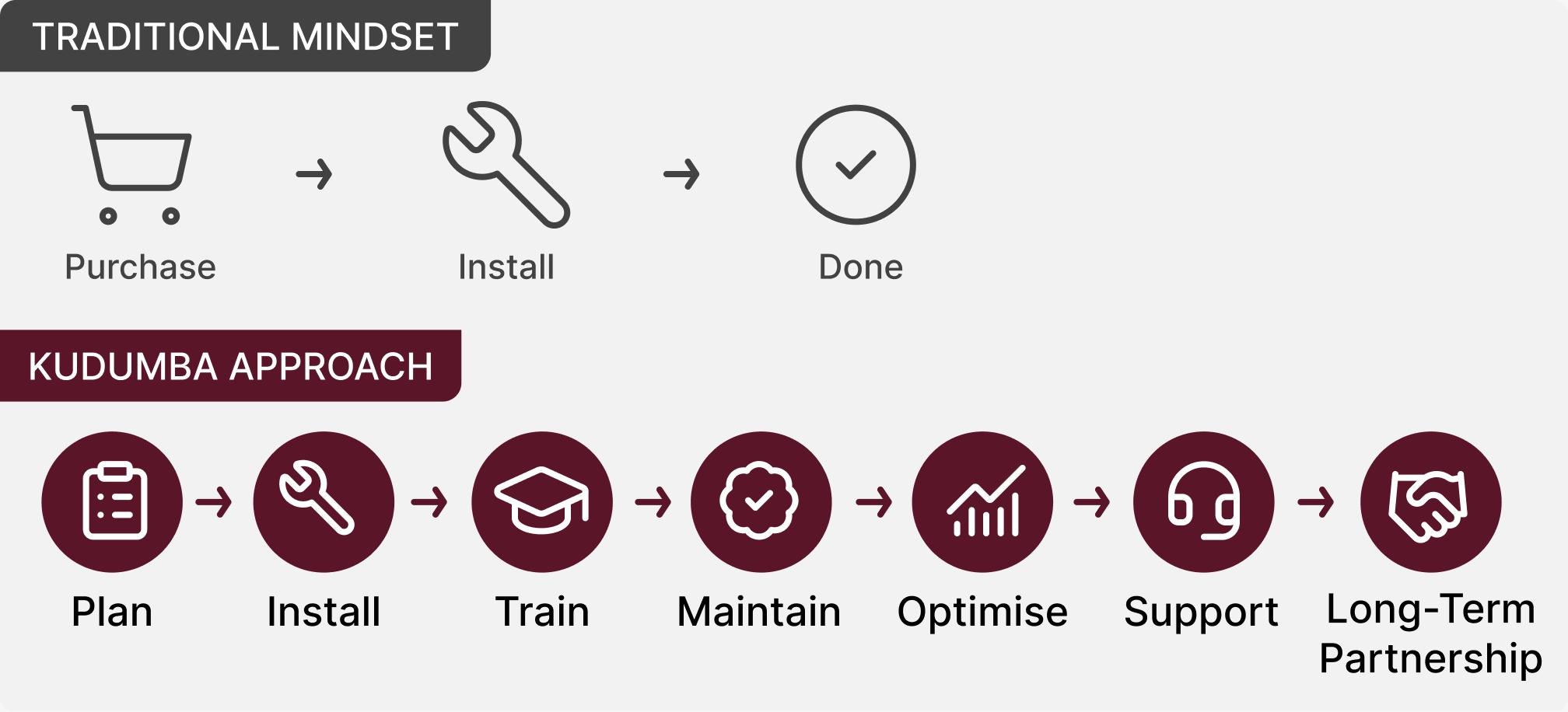
At Kudumba Investments, we believe that the true value of any inspection system is measured not on the day it is commissioned, but over the years that follow.
For more than two decades, we have worked alongside governments, border agencies and infrastructure operators to support the long-term performance of critical inspection systems.
Our role extends beyond installation.
It includes:
- Preventive and corrective maintenance
- Technical support
- Operator training
- System optimisation
- Lifecycle management
- Operational readiness
Because infrastructure does not create value simply by existing.
It creates value by performing consistently, reliably and safely over time.
Looking Beyond the Initial Investment
As organisations continue investing in border infrastructure and trade facilitation across Africa, the conversation is beginning to evolve.
Success is no longer defined solely by the technology that is purchased.
It is increasingly defined by how well that technology performs throughout its lifecycle.
The question is no longer:
“What scanner should we buy?”
The better question is:
“How do we ensure this investment continues delivering value for the next decade?”
That is where maintenance becomes more than a support function.
It becomes a strategic investment in operational resilience, infrastructure reliability and sustainable growth.
Continue the Conversation
Every infrastructure environment is different, and so are its operational requirements.
If your organisation is looking to strengthen the long-term performance of its inspection systems through tailored maintenance programmes, technical support or operational training, we’d welcome the opportunity to discuss your needs: info@kudumba.com